


 27
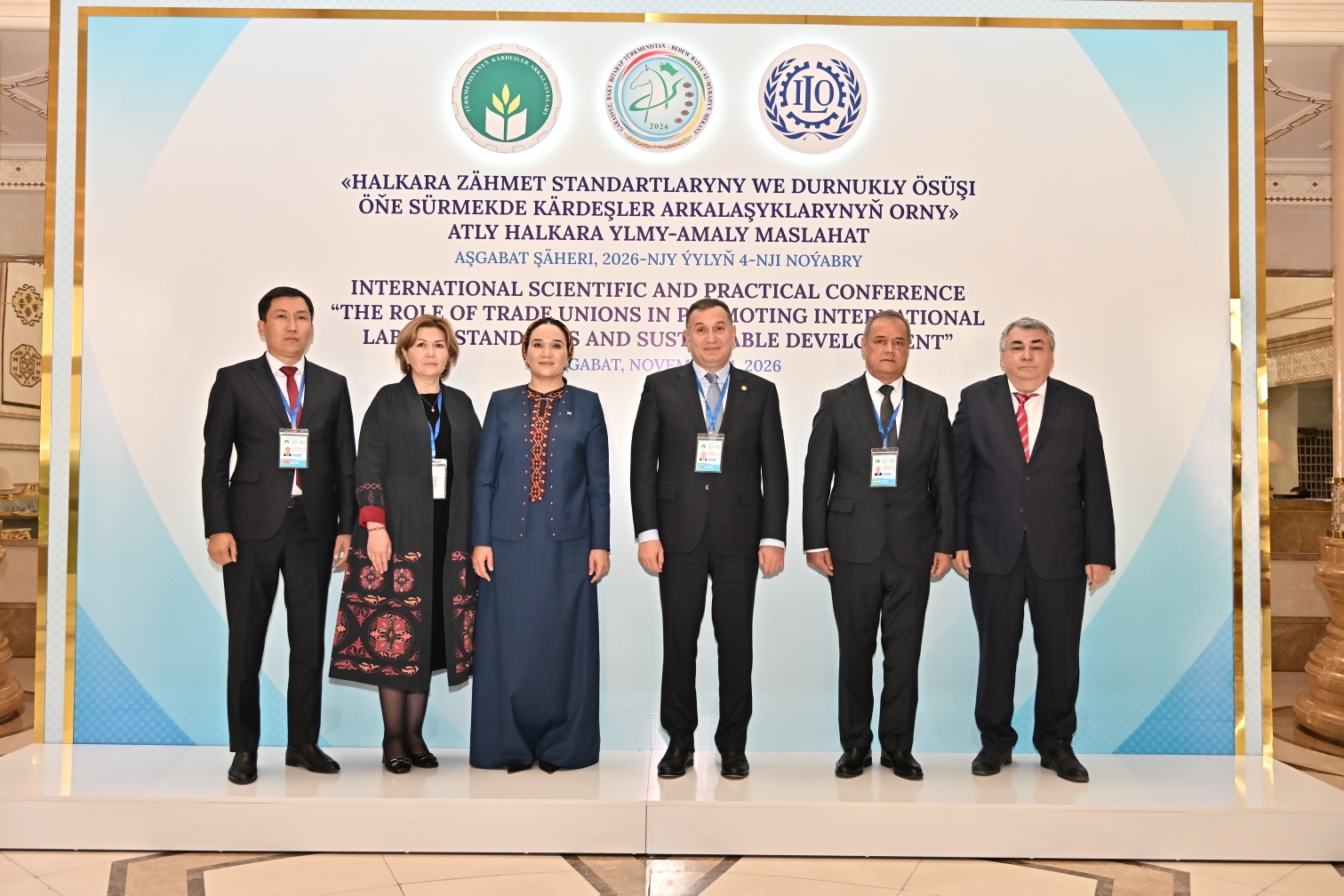
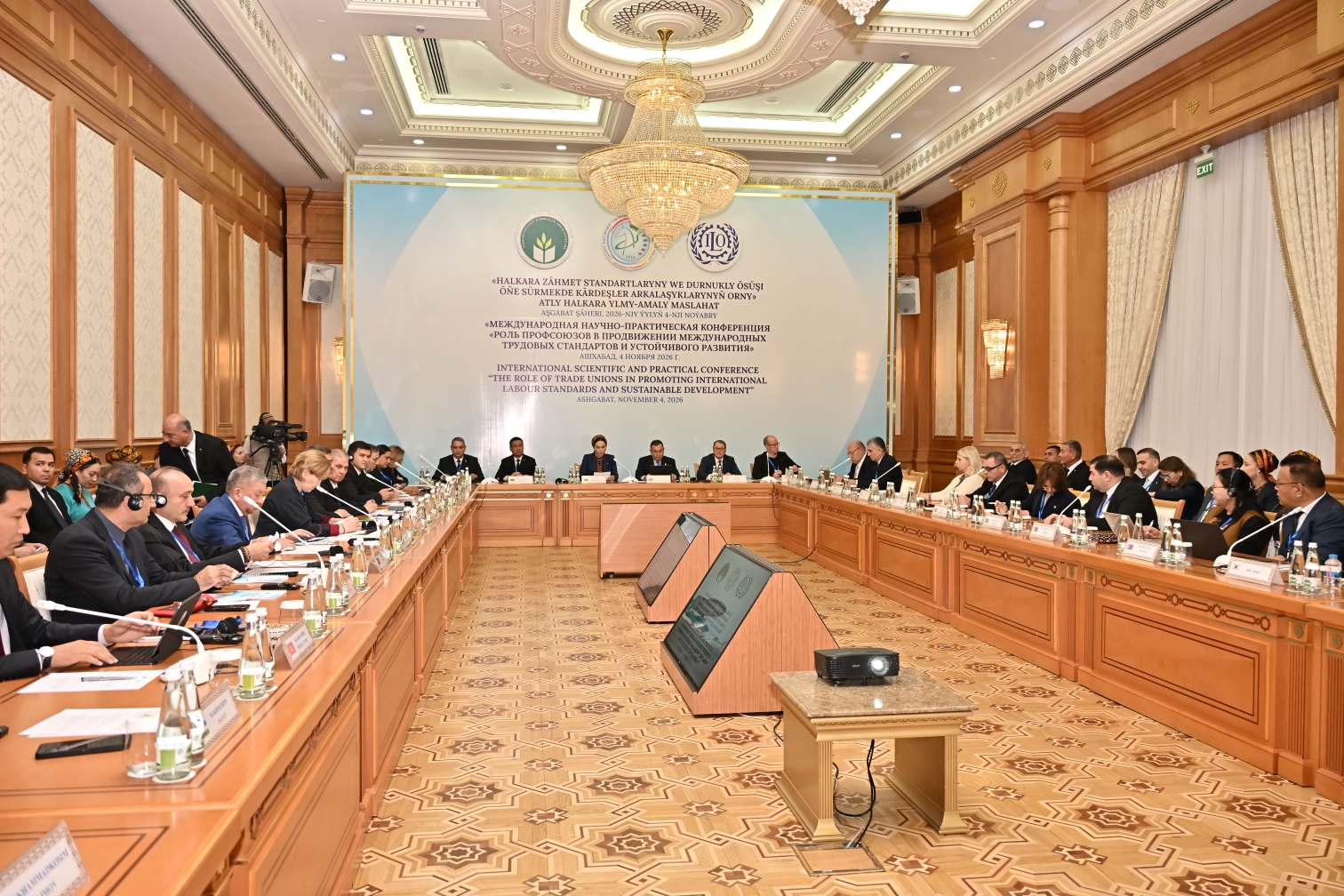
Today, the Arçabil Hotel in the capital hosted the international scientific and practical conference titled "The Role of Trade Unions in Promoting International Labor Standards and Sustainable Development," organized by the National Center of Trade Unions of Turkmenistan in cooperation with the ILO Bureau for Workers' Activities.
The expansion of international cooperation is one of the priority areas of state policy initiated by Hero-Arkadag and successfully implemented under the leadership of President Serdar Berdimuhamedov. In the year "Independent, Neutral Turkmenistan — The Homeland of Purposeful Winged Steeds," Turkmenistan is consistently expanding fruitful relations with authoritative international structures, including the International Labour Organization (ILO), making a significant contribution to addressing pressing regional and global issues. These include ensuring safe and reliable working conditions as a crucial component of the Sustainable Development Goals (SDGs), improving relevant regulatory frameworks, and strengthening international engagement in this direction.
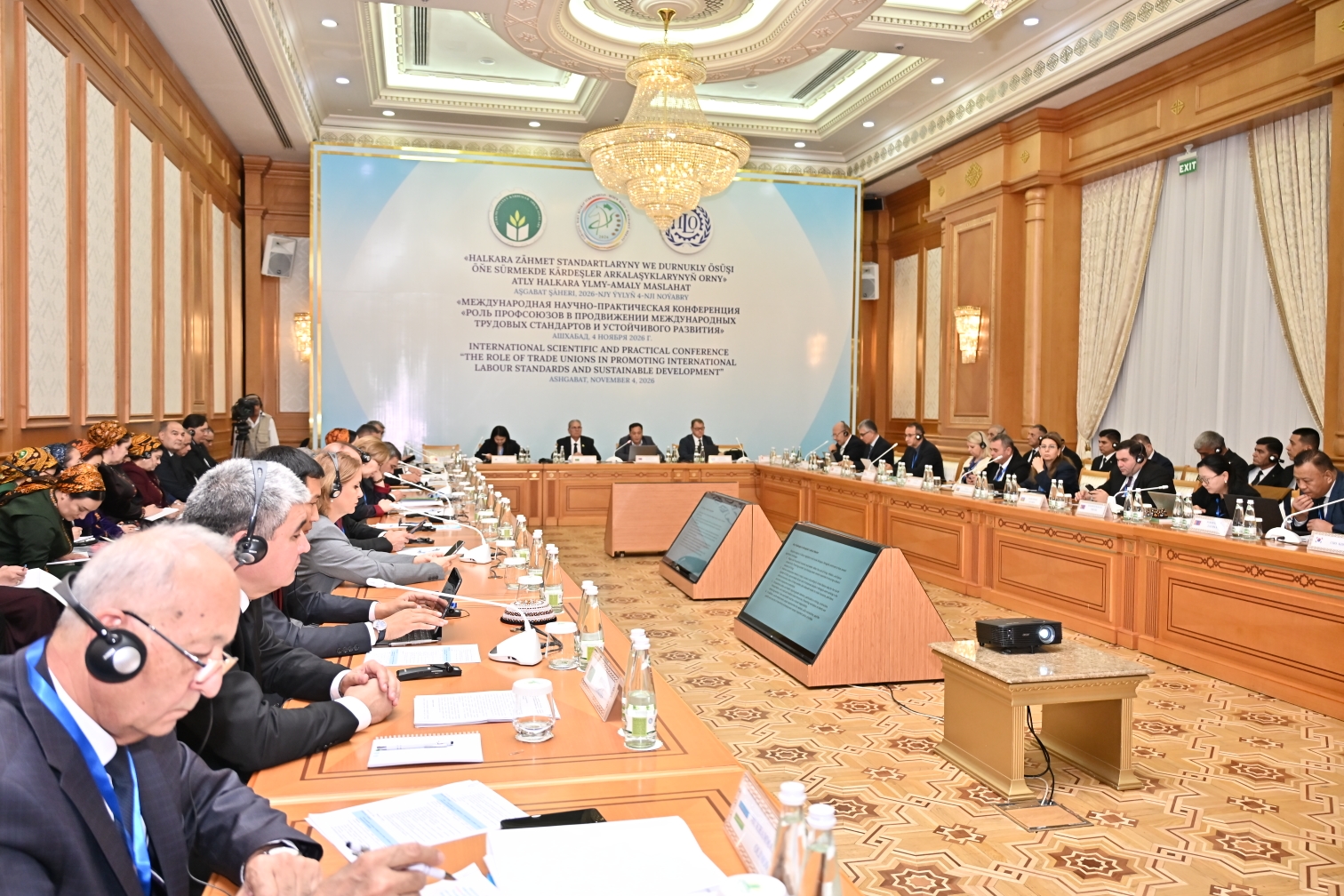
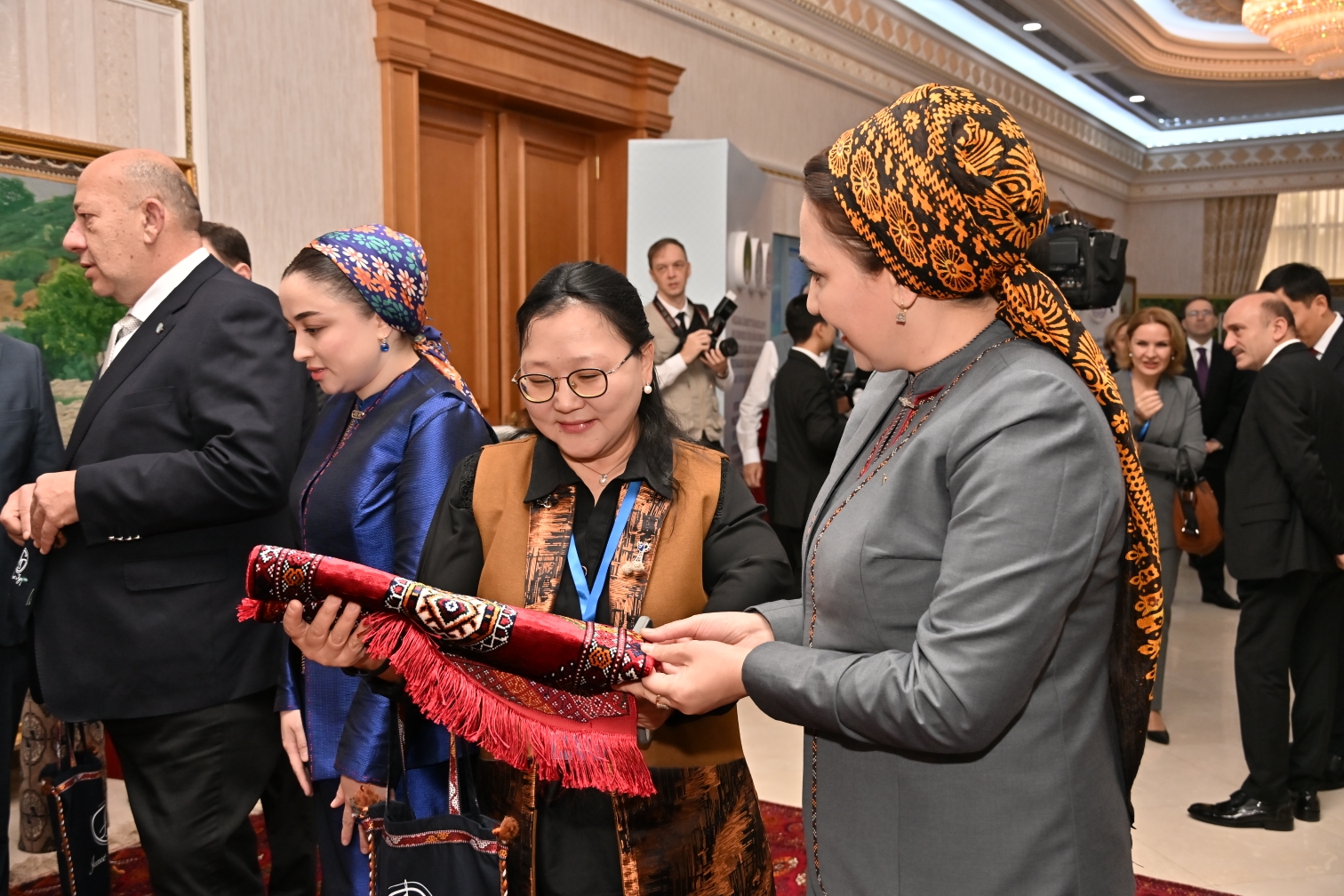
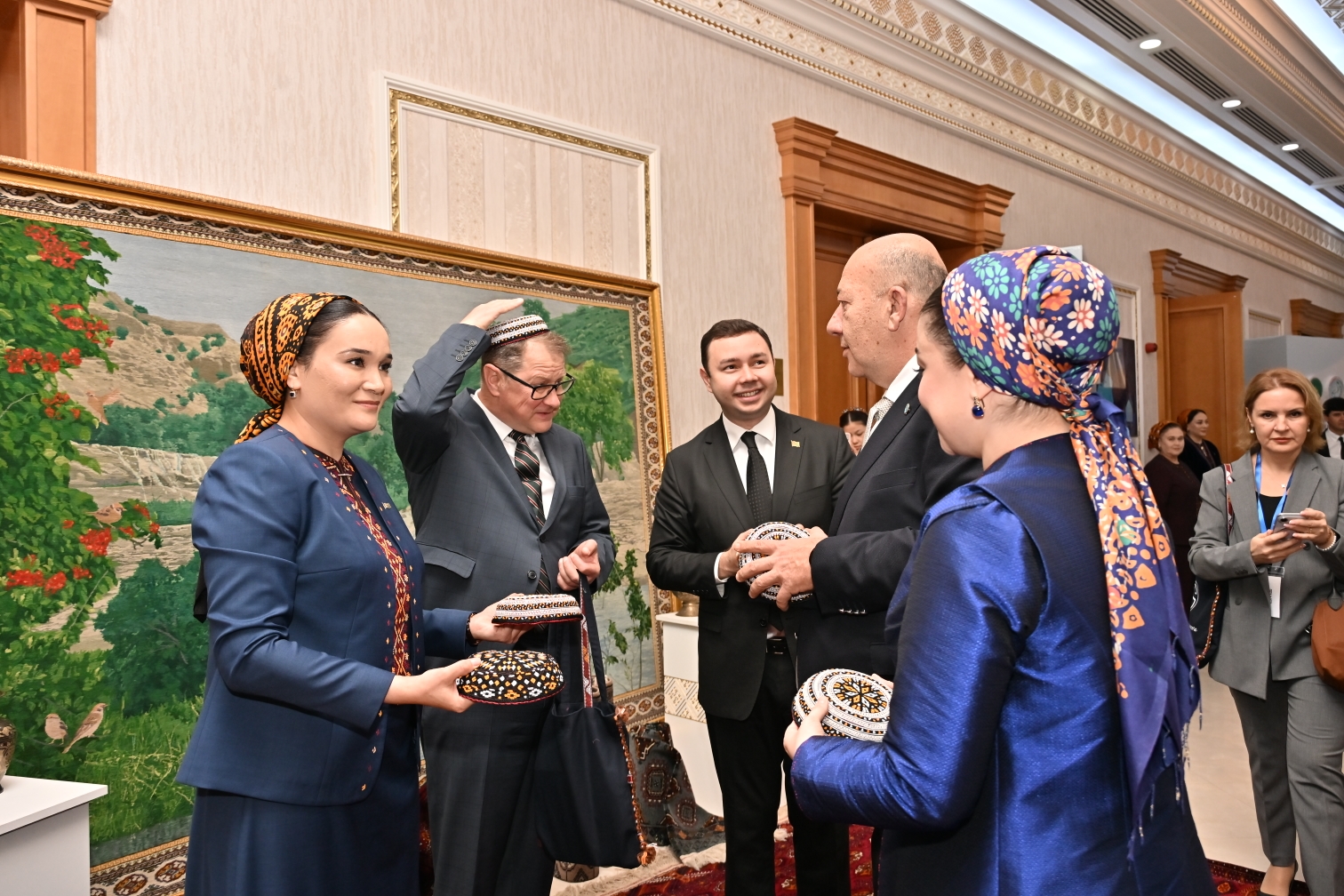
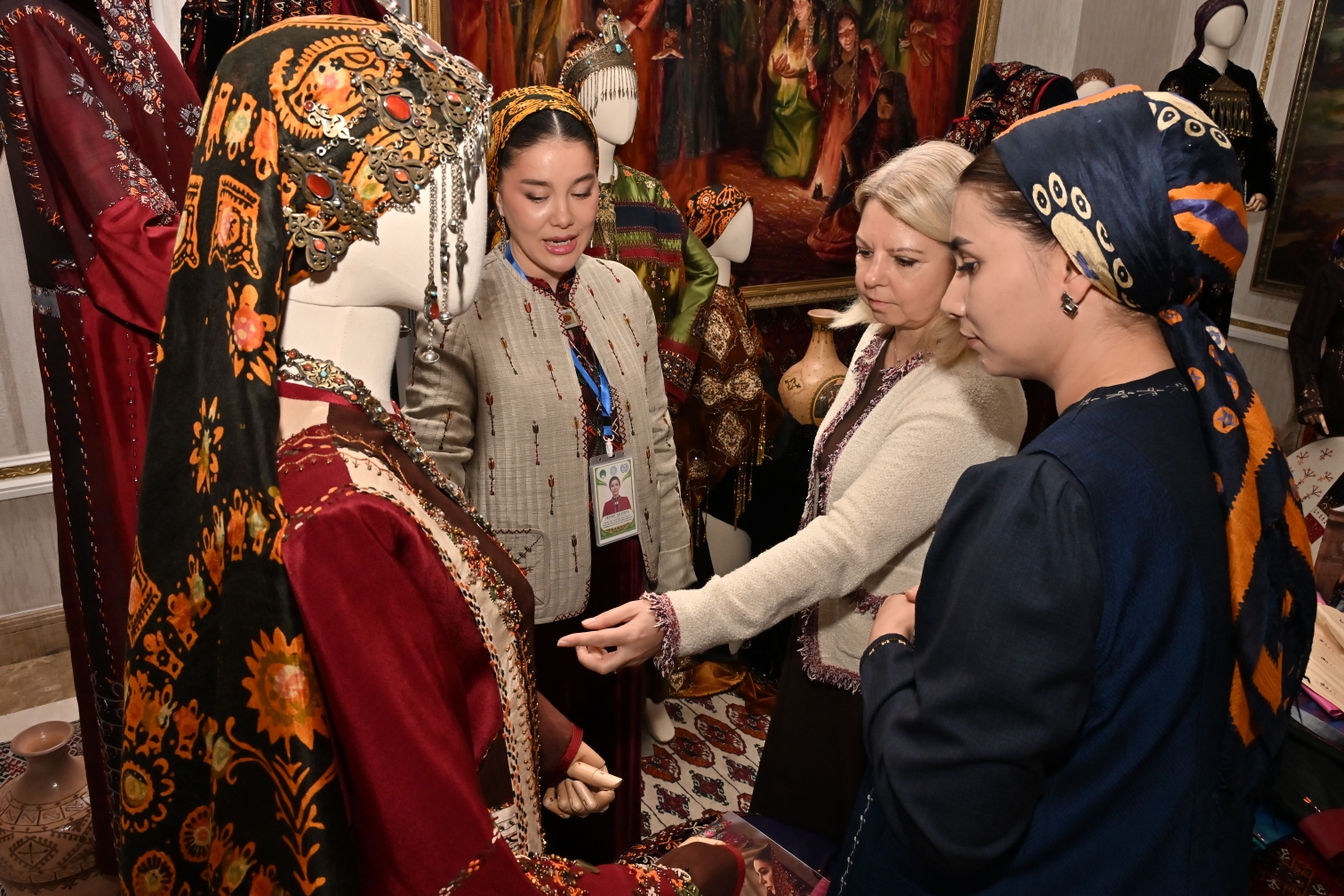
The conference was attended by about 40 representatives from specialized UN agencies, the International Labour Organization, the International Trade Union Confederation, the World Federation of Trade Unions, as well as trade union delegates from Central Asia, Azerbaijan, Turkey, Georgia, Mongolia, and the Republic of Korea. The forum was preceded by an exhibition dedicated to the rich historical, cultural heritage and arts and crafts of the Turkmen people.
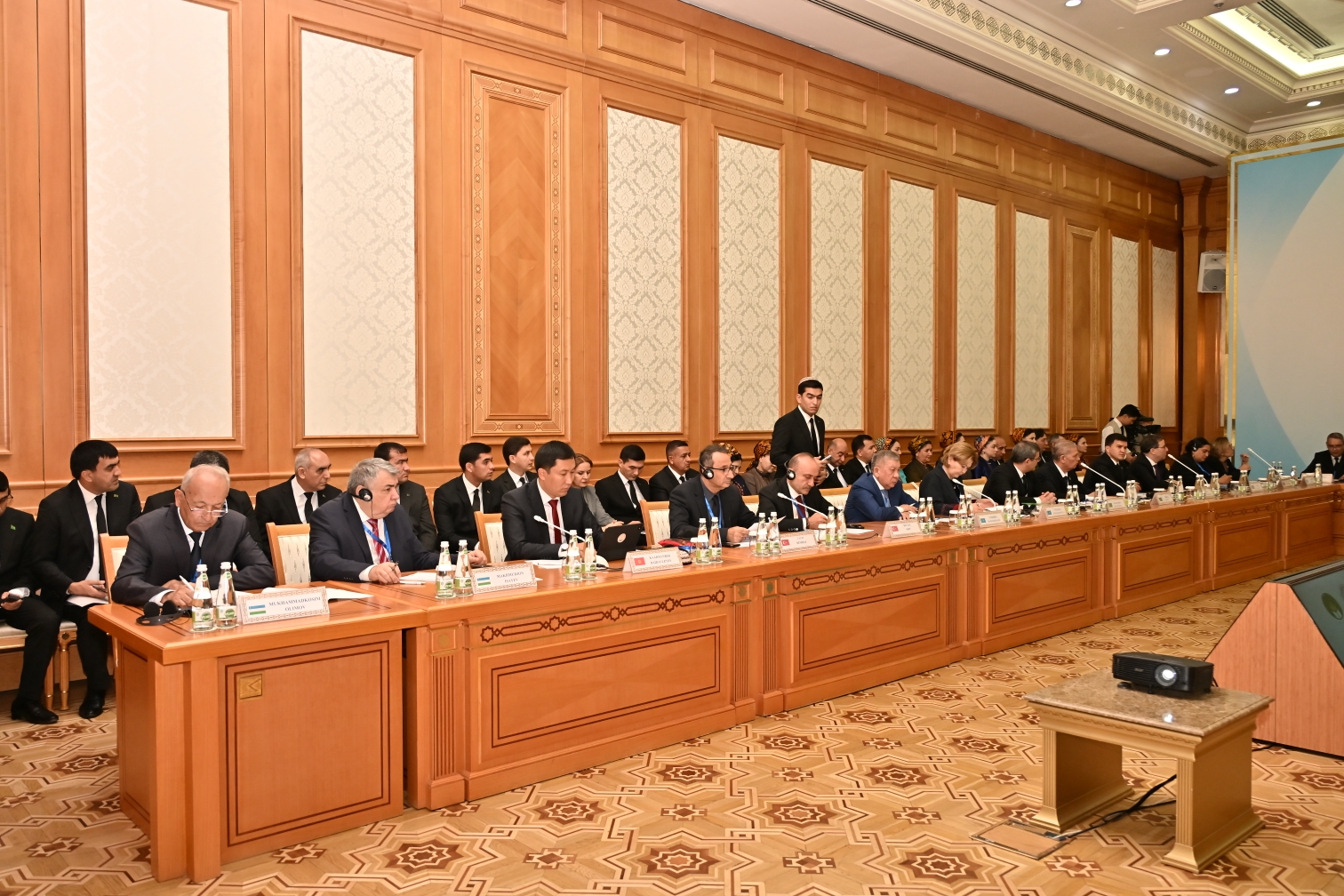
This was followed by the official opening ceremony of the international scientific and practical conference. As speakers noted, in modern conditions—when the world of work faces new economic, technological, and social challenges—the role of trade unions in protecting the legitimate rights and interests of workers, developing social partnership, and ensuring social justice is of particular importance. It was emphasized that international labor standards serve as a vital foundation for building effective mechanisms to safeguard labor rights, guarantee safe and decent working conditions, ensure equal opportunities, and respect human dignity in the workplace. The effective application of these standards largely depends on constructive dialogue between the state, workers, and employers, the consistent development of social partnership, and the utilization of global best practices. In this regard, trade unions are called upon to play an active role in shaping fair labor relations, preventing social conflicts, raising workers' legal literacy, and contributing to the achievement of the Sustainable Development Goals.
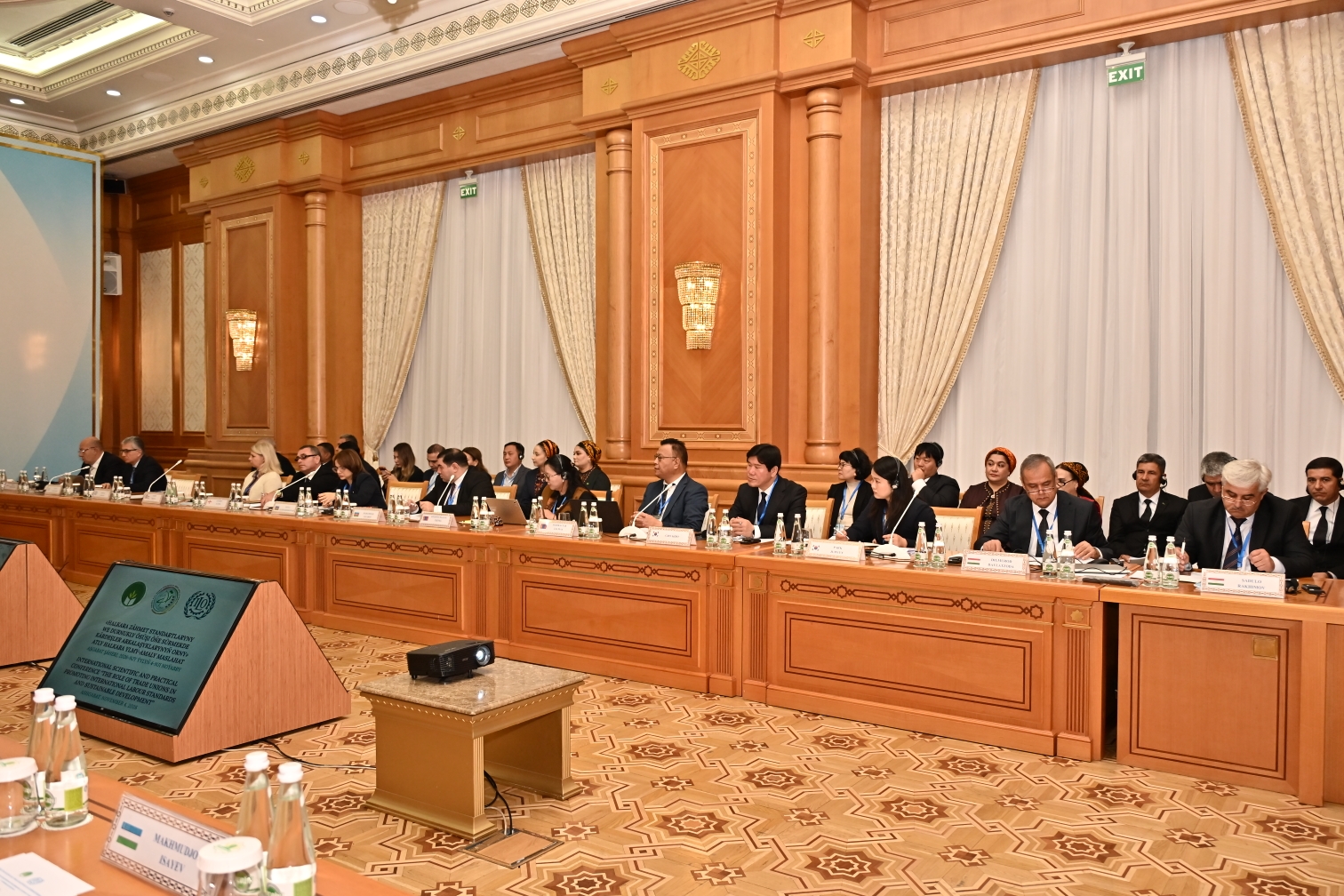
It was stated that developing international cooperation and strengthening ties with specialized foreign structures and the ILO remain key areas of activity for the National Center of Trade Unions of Turkmenistan. In this context, it was noted that inter-agency experience sharing is of decisive importance for improving social relationship mechanisms, increasing the efficiency of trade union work, and enhancing the qualifications of specialized personnel. At the same time, confidence was expressed that the conference would serve as a platform for open professional dialogue, allowing participants to compare national experiences, discuss pressing labor issues, and define new promising areas of interaction in the interests of workers and sustainable development.
As emphasized, effective management of labor resources—which make up the active part of the population—is one of the main goals of large-scale reforms initiated by Hero-Arkadag and successfully carried out under the leadership of President Serdar Berdimuhamedov. Citizens of working age predominate in the structure of the economically active population. Taking into account the progressive nature of the country's industrialization and its innovative focus, primary attention is paid to ensuring productive employment for citizens. As socio-economic reforms deepen, a modern labor market is taking shape in the country, based on the right of every individual to dispose of their capacity for work. An important step in this direction was the "Concept for the Development of the Labor Market of Turkmenistan until 2030," approved by a decree of the Head of State in September 2025.
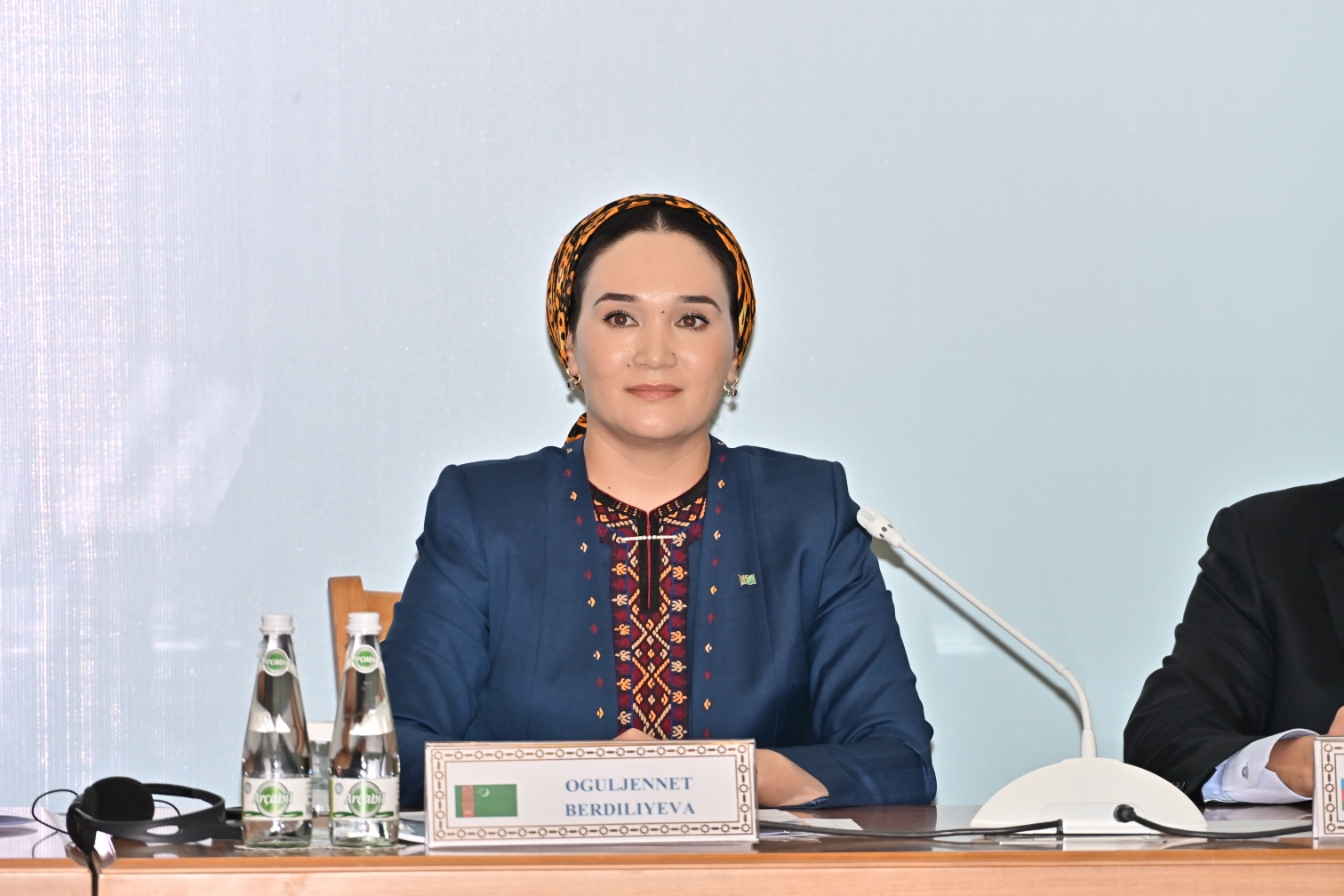
The document provides for the development of programmatic measures for the long-term development of the labor market, taking into account the implementation of large-scale transformations, ongoing socio-economic development activities, and the further strengthening of social protection for the population. Key tasks include regulating labor market relations, improving living standards, social protection and citizen employment, improving legislation in this area, increasing labor productivity across all sectors of the economy, regulating labor relations and remuneration systems, and developing international cooperation, including with the ILO.
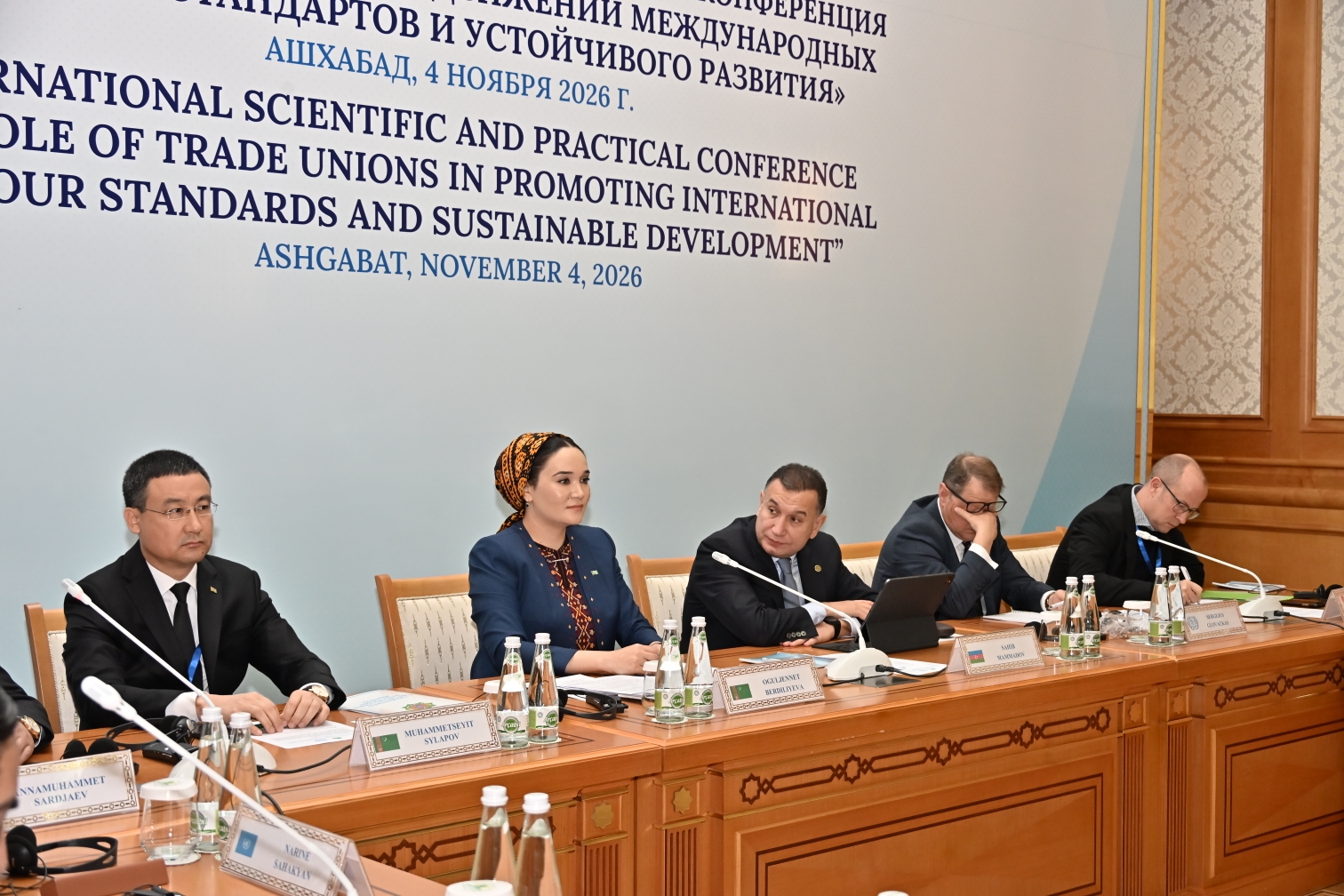
Representatives of the International Labour Organization, the UN Development Programme, the International Trade Union Confederation, the World Federation of Trade Unions, as well as countries of Central Asia, Azerbaijan, Turkey, Georgia, Mongolia, and the Republic of Korea expressed sincere gratitude to the Turkmen side for the high level of organization of the meetings held in Ashgabat. It was emphasized that holding the international conference clearly demonstrates Turkmenistan's commitment to introducing universally recognized norms in the labor market, improving existing regulatory legal acts based on best practices, and intensifying international cooperation in this sphere. The current forum serves as an effective platform for developing joint approaches to promoting international labor standards at both the national and regional levels.
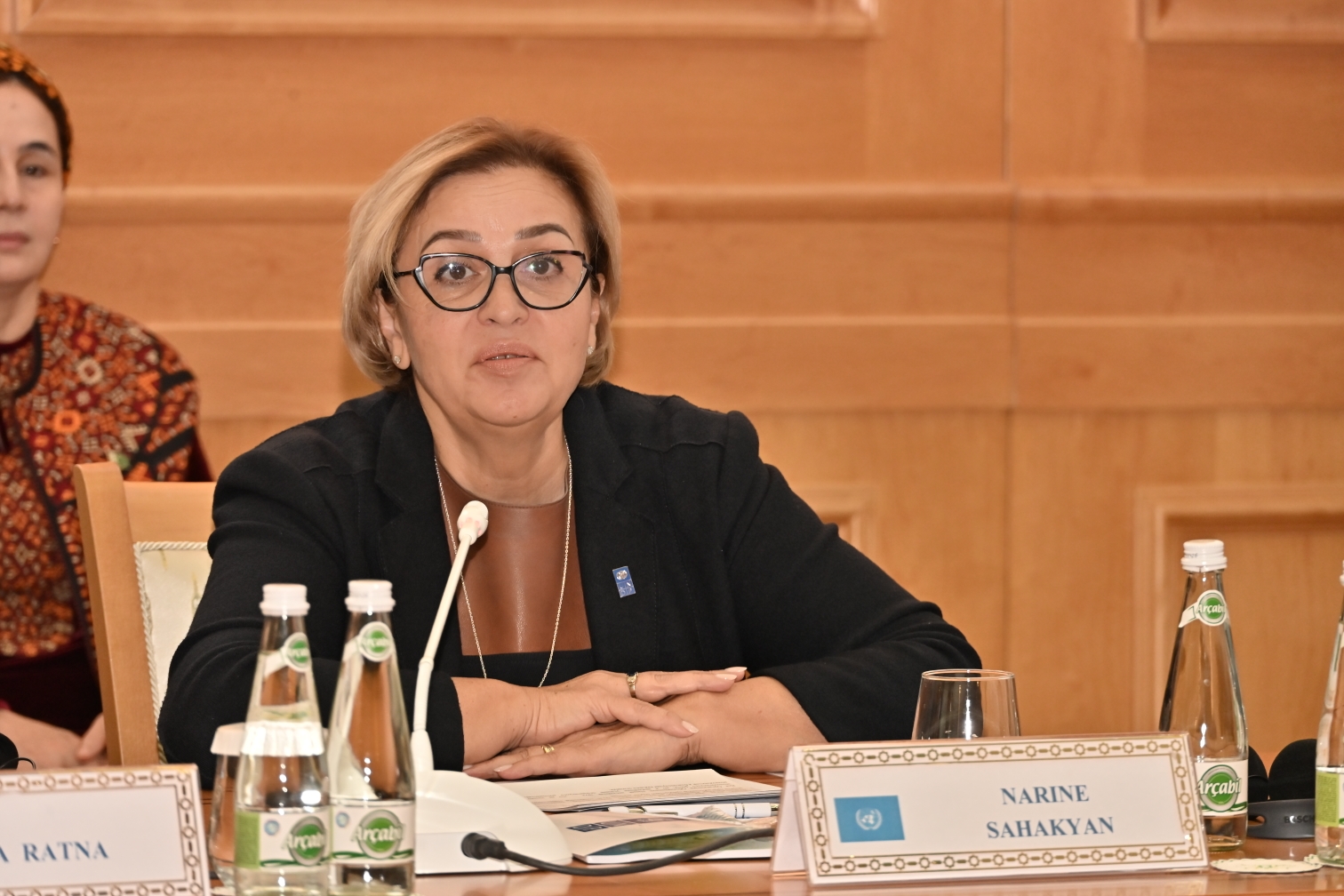
As known, Turkmenistan maintains close interaction with the International Labour Organization on human rights, including the implementation of undertaken obligations in the field of labor rights. Having acceded to more than ten fundamental ILO conventions, the country is consistently integrating their norms into its national labor legislation and developing relevant regulatory acts.
It was noted that Turkmenistan, as one of the first states to implement the Sustainable Development Goals (SDGs) at the national level, is making a substantial contribution to the implementation of the 2030 Agenda. Measures in this direction are implemented systematically and integrated into comprehensive reform programs utilizing SDG indicators. Issues of promoting sustainable development, implementing national international initiatives, and joint programs remain at the center of attention of the "Turkmenistan – UN" Strategic Advisory Council. Furthermore, the "United Nations Sustainable Development Cooperation Framework for Turkmenistan for 2026–2030" serves as a guideline for the comprehensive expansion of partnership. Currently, in cooperation with UN agency representations in the country, large-scale programs are successfully being implemented in areas such as economic diversification, raising the population's social welfare, modernizing education and healthcare systems, and environmental protection.
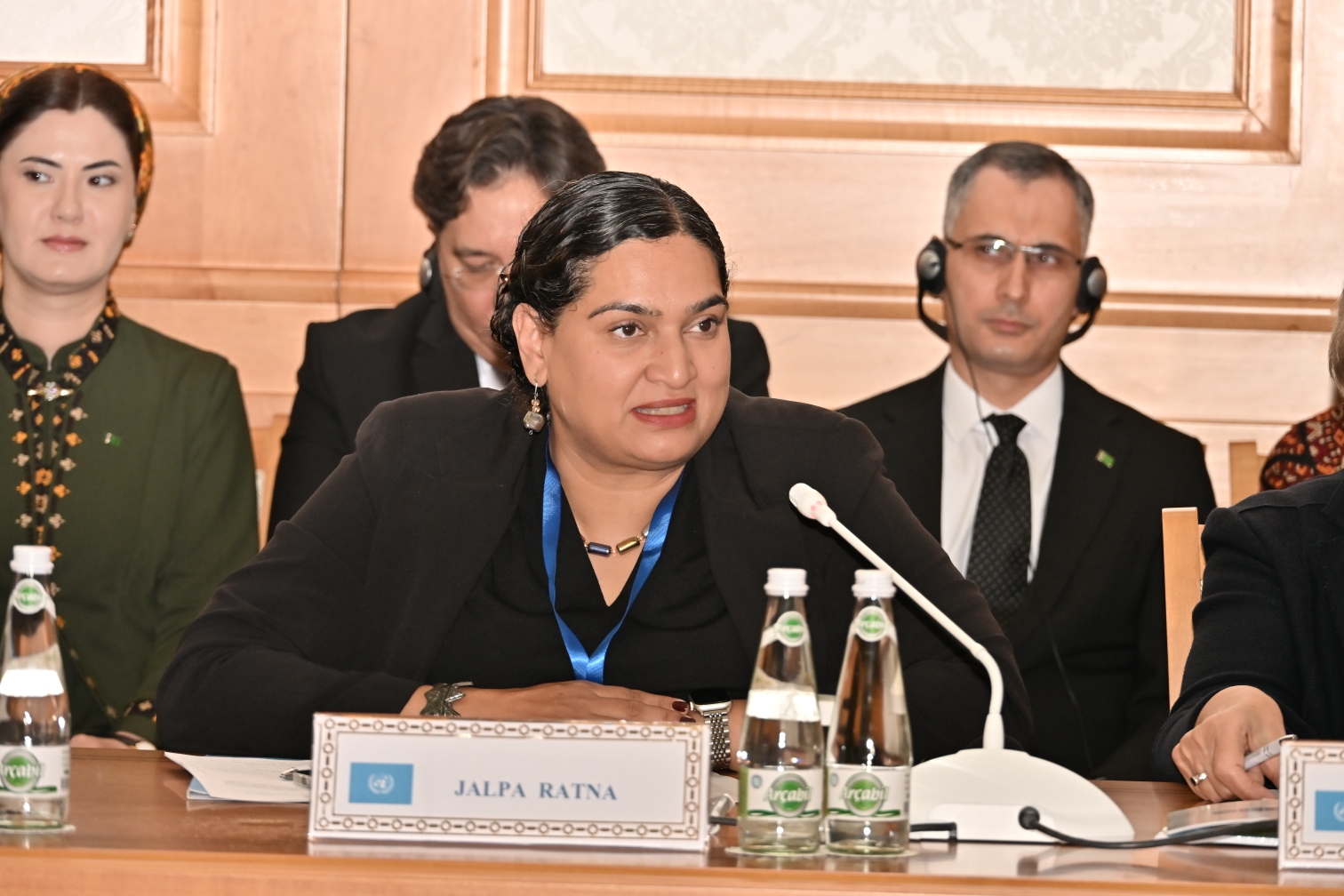
During the plenary session of the conference titled "Social Dialogue as a Tool for Ensuring Sustainable Development and Social Stability," heads of participating delegations reported on ongoing work and achievements in securing decent and inclusive working conditions. As noted, through work, individuals satisfy their socio-economic and spiritual needs, and labor defines the sustainable development and well-being of society. Fulfilling the creative and intellectual potential of every person, organizing labor, ensuring its efficiency, and enhancing the professional skills of specialists form an essential part of labor relations. Creating a stable working environment that guarantees citizens decent wages and professional growth is a key factor in public well-being. In this context, special emphasis was placed on the successful implementation in Turkmenistan—based on the noble initiatives of Hero-Arkadag and under the wise leadership of President Serdar Berdimuhamedov—of a state policy aimed at consistently improving the living standards and quality of life of the population.
Speeches noted that establishing effective interaction between relevant state agencies is an essential condition for solving social issues. The Ministry of Labor and Social Protection of the Population of Turkmenistan, the National Center of Trade Unions, and the Union of Industrialists and Entrepreneurs, based on reached agreements, jointly address issues such as employment, labor remuneration and protection, improvement of working conditions, and social protection.
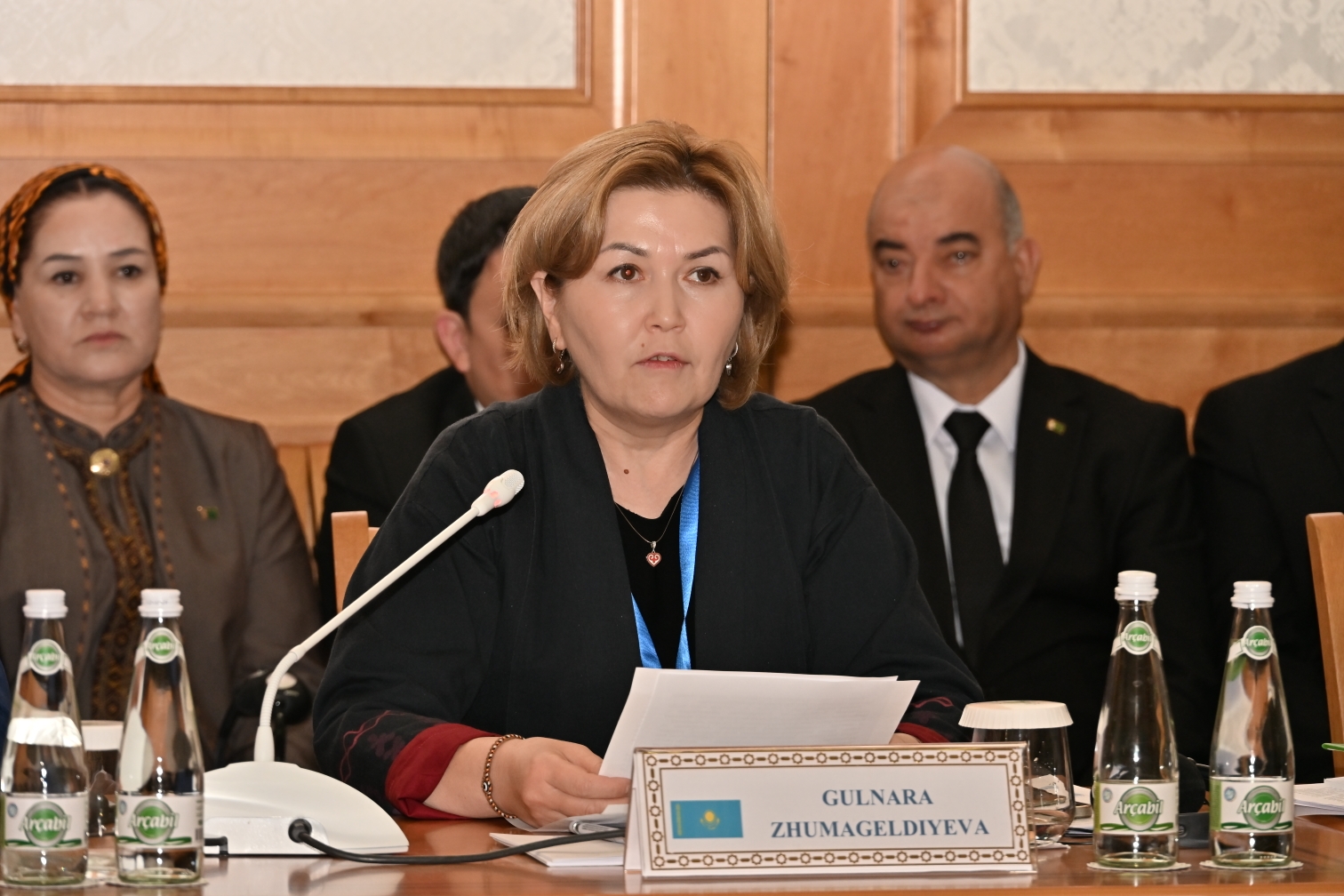
Particular attention was also paid to cooperation between the National Center of Trade Unions of Turkmenistan and the ILO Bureau for Workers' Activities. Within this framework, a Joint Action Plan for 2026–2027 was developed and signed, providing for training seminars, experience exchange, professional development for trade union workers, and the further strengthening of the role of trade unions in developing social dialogue.
The heads of delegations of the International Trade Union Confederation, the World Federation of Trade Unions, and participating countries focused in their speeches on the tasks facing trade unions and their potential in ensuring the sustainable development of society. In this regard, the importance of the activities of relevant structures was emphasized in the context of optimizing practical measures.
The rapid development of artificial intelligence, digital technologies, science, and education worldwide, alongside growing competition in commodity markets, an increasing share of the private sector in the economy, and the widespread adoption of digital tools, requires the formation of new skills, new types of activities, and favorable conditions for them. In this connection, it was noted that the introduction of innovative technologies must be accompanied by guarantees of social protection and workers' labor rights. Issues of expanding women's employment, supporting youth, and creating equal working conditions for all were also addressed.
Subsequently, the work of the international scientific and practical conference continued in thematic sessions: "The Modern Role of Trade Unions in Ensuring Decent Work and Social Justice," "International Labor Standards as the Foundation of Sustainable Socio-Economic Development," and "The Role of Trade Unions in Achieving the Sustainable Development Goals," where participants discussed improving trade union activities and expanding international cooperation.
It was noted that trade unions, as full and independent institutions of the country's political system endowed with extensive capabilities, human resources, and broad legal authority, play a crucial role in ensuring stability and harmony in society. The participation of this important public structure in labor organization contributes to the development of labor legislation based on global practice, entrepreneurship, and the employment system.
Under a market economy, requirements for labor quality and specialist qualifications are growing, driven by the introduction of advanced technologies into production and high demand for workers across various professions. In this context, participants showed particular interest in Turkmenistan's experience in developing long-term employment programs aimed at providing specialized education and highly professional personnel training. Forum participants expressed their gratitude for the hospitality shown on Turkmen soil and for the high level of organization of the events, which will contribute to the further deepening of international cooperation.
Within the framework of the conference, bilateral meetings were held with the heads of delegations from the ILO Bureau for Workers' Activities, the International Trade Union Confederation, the World Federation of Trade Unions, and friendly participating countries. During the talks, special emphasis was placed on the importance of exchanging experiences to improve employment opportunities and enhance trade union operations. In this regard, it was noted that events held in the white-marble capital create broad opportunities for the further development of mutually beneficial cooperation.


